You have a week in France and a list that begins with the Eiffel Tower. Before you book the usual loop, look north-west. Normandy gives you cliffs, castles, impressionist gardens, world-famous cheese and some of the most important history sites in Europe, all within a short drive or train ride of Paris.
This guide covers what to see in Normandy, what makes the region different from the rest of France, and how to plan a route. Whether you have two days or a week, there is a version of Normandy that fits.
Why Normandy Is a Different France
Normandy is not the sunny, lavender-scented France of postcards. It is the north: wide skies, sea wind, changeable weather, and a smell of salt, apples and butter. The name comes from the Northmen, the Vikings who settled here in the 10th century. In 1066 a Norman duke, William the Conqueror, crossed the Channel and took England. In 1944 the Allied landings changed the course of the war on these same beaches.
For a traveller, that means one region offers:
- Coast and cliffs on the English Channel
- Medieval towns and abbeys that survived centuries of war
- Impressionist landscapes that inspired Monet and Boudin
- Food built on cream, cheese, cider and seafood
- Modern history at the D-Day beaches
Mont-Saint-Michel: The Abbey in the Tide
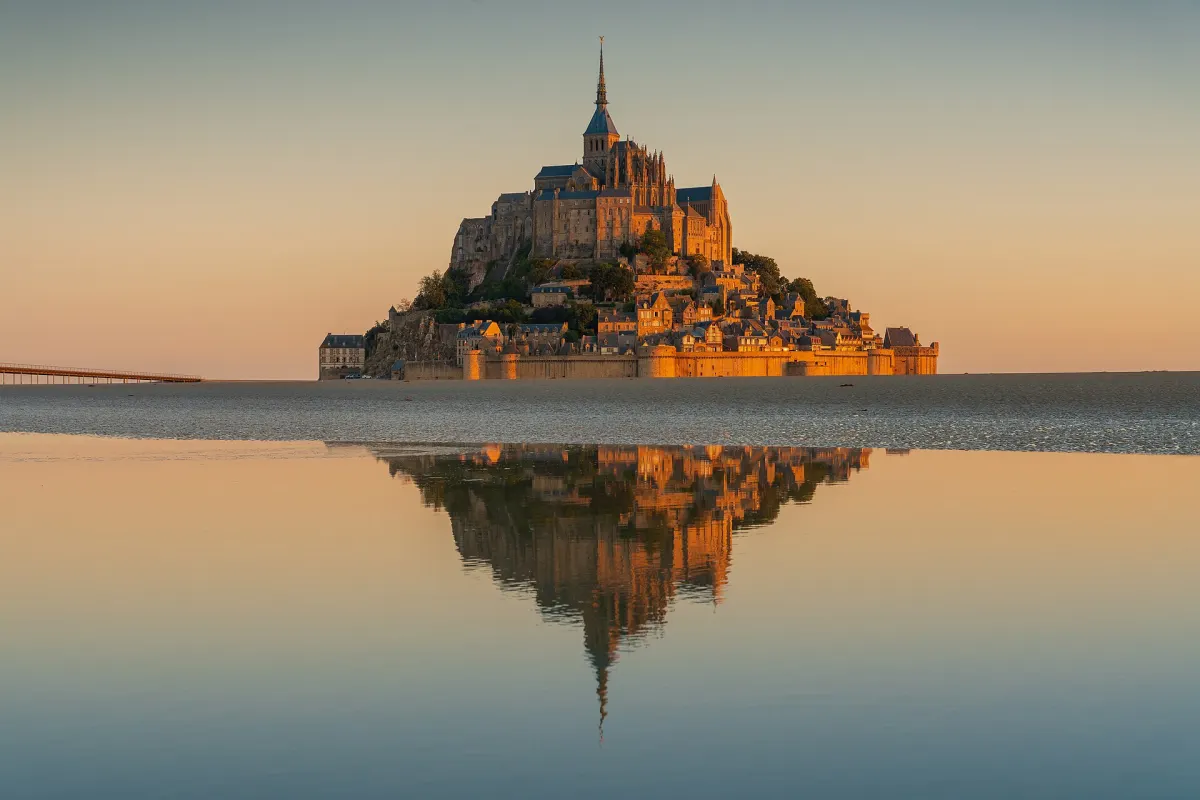
The best-known landmark in Normandy is also one of the best-known in France. A medieval abbey rises from a rocky island, and when the tide comes in, the sea surrounds it. The tidal range here can reach 14 metres, among the highest in Europe. The site has been a UNESCO World Heritage Site since 1979.
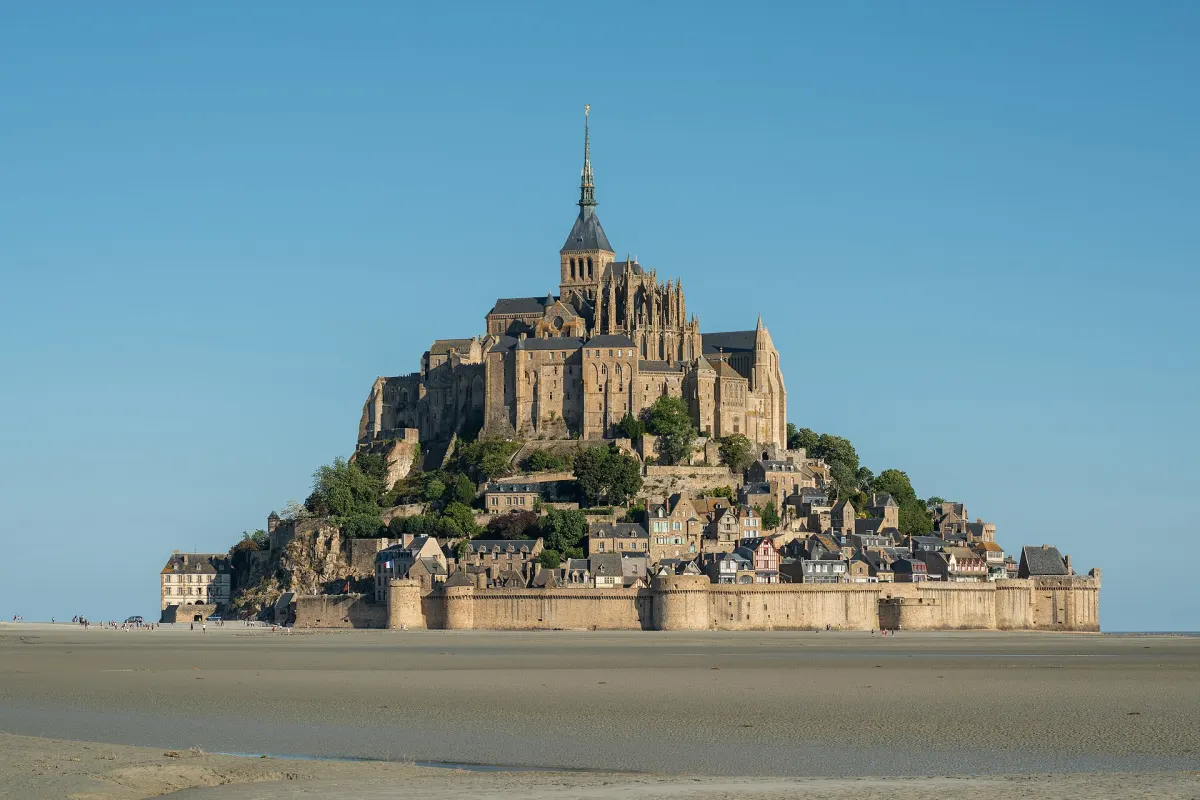
Tip: check the official tide timetable before you go. Arrive early in the morning or stay for the evening, when day-trippers leave and the light is best.
Étretat: Chalk Cliffs and Natural Arches
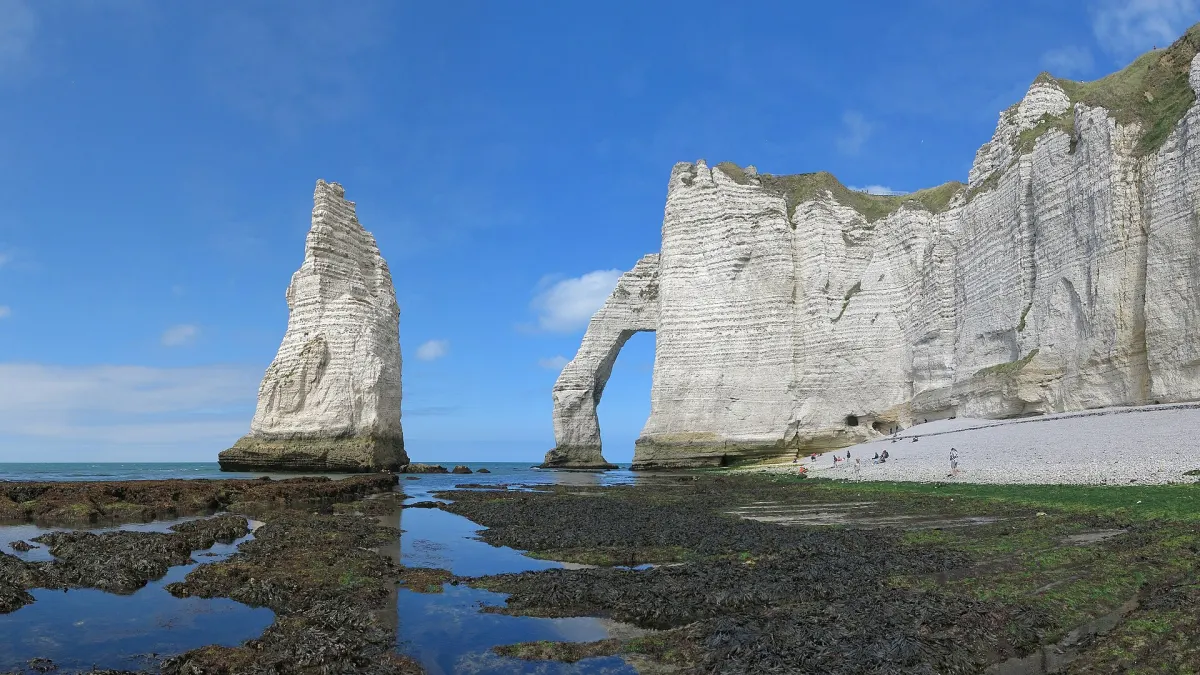
Étretat is probably the most photogenic spot in Normandy. The white cliffs of the Alabaster Coast (Côte d'Albâtre) form natural arches, and the Falaise d'Aval appears in paintings by Monet and Courbet. Climb the cliff paths, walk the pebble beach at low tide, and give the place at least half a day.
Honfleur: The Prettiest Harbour on the Coast
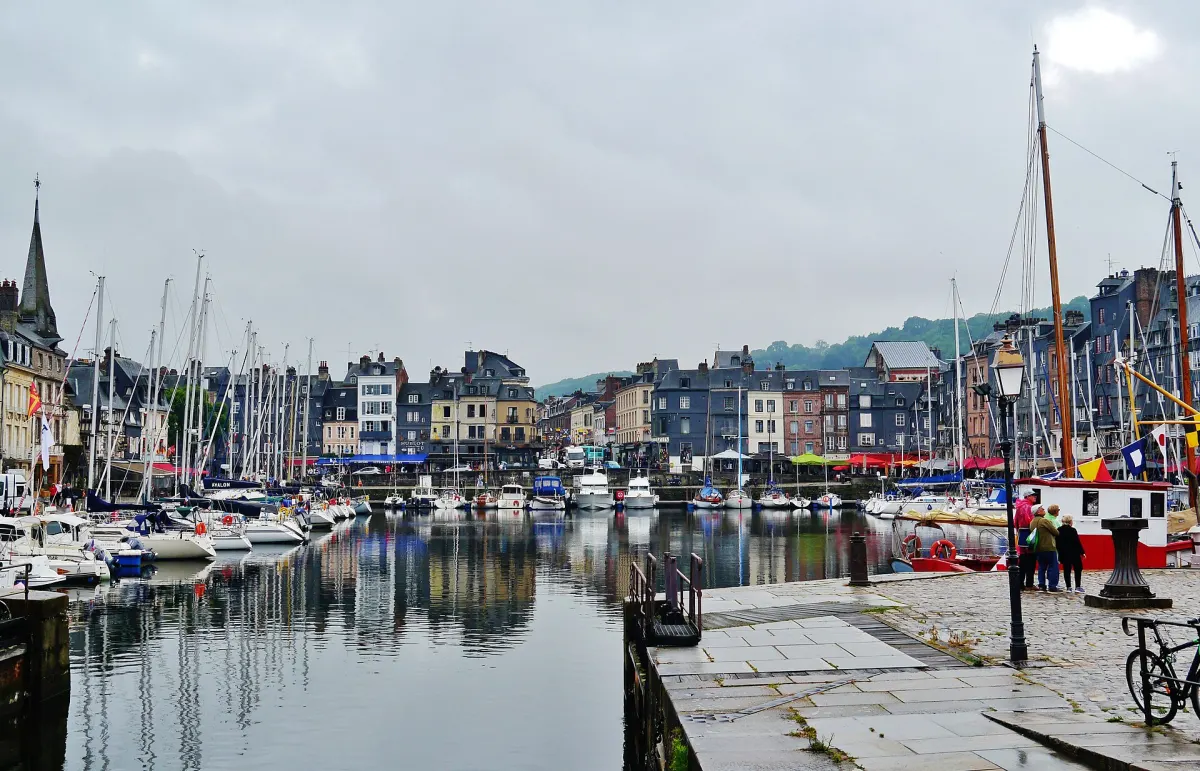
Honfleur's Vieux Bassin (old harbour) is lined with tall, narrow houses and café terraces. Galleries fill the side streets, and seafood restaurants serve mussels, oysters and scallops fresh from the boats. Monet and Boudin were drawn here by the light, and you will see why within minutes. Honfleur rewards slow wandering with no plan.
Rouen: Gothic Spires and the Gros-Horloge
The regional capital is often skipped, which is a mistake. Rouen has:
- a Gothic cathedral that Monet painted more than 30 times in different light
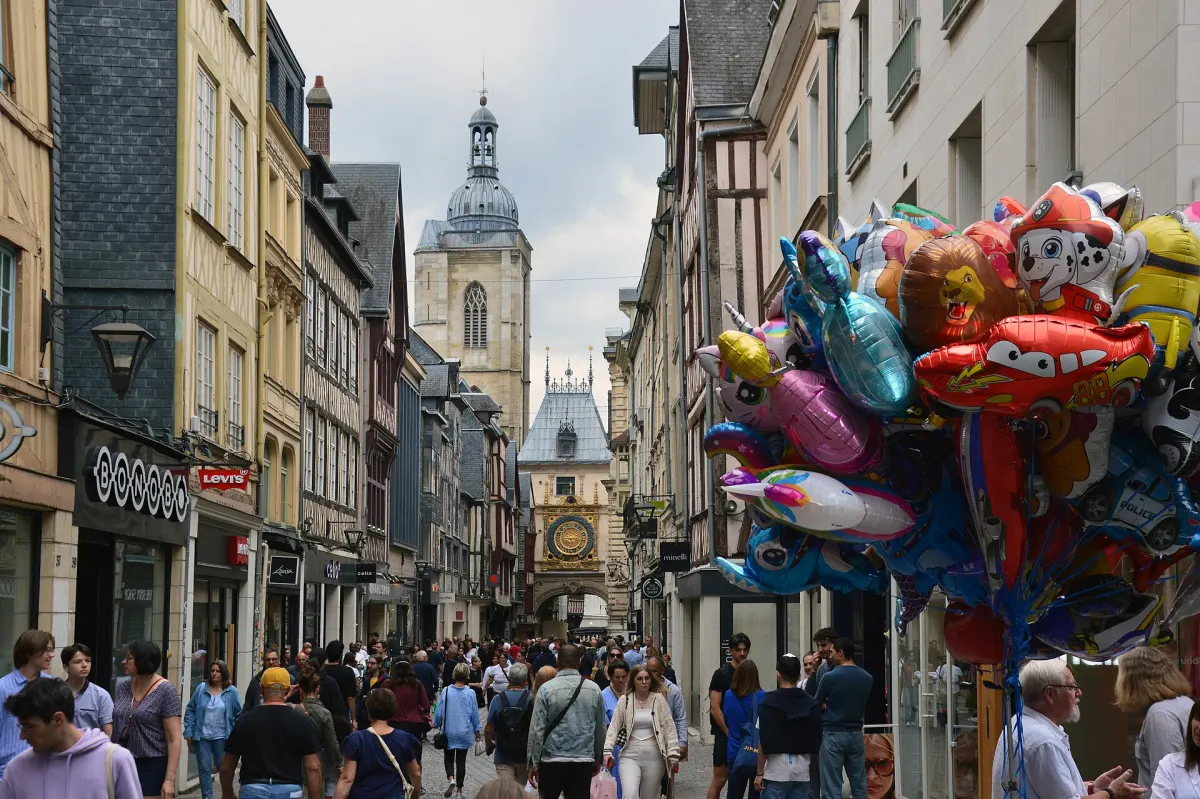
- the Gros-Horloge, an astronomical clock with a 14th-century mechanism, spanning a pedestrian street
- half-timbered streets in the old town
- the square where Joan of Arc was executed in 1431
Rouen is about 1 hour 20 minutes by train from Paris-Saint-Lazare, so it also works as a day trip.
The D-Day Beaches: History You Walk Through
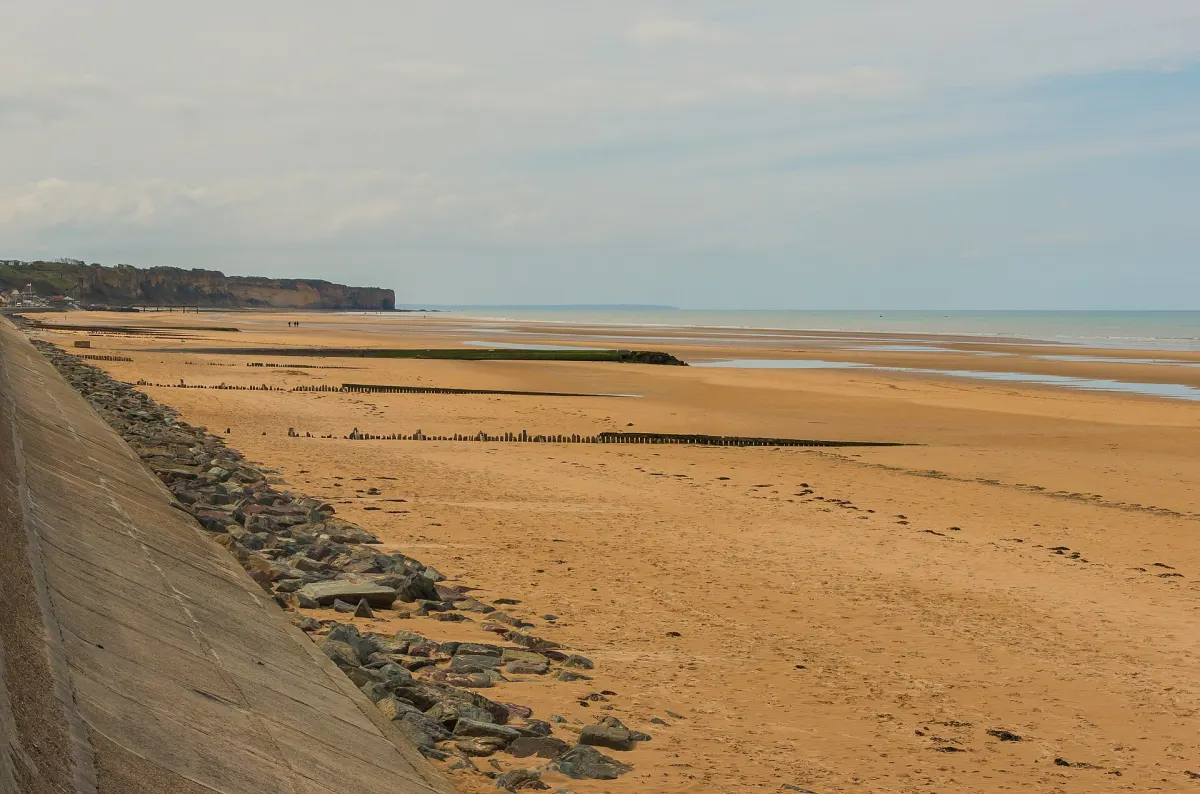
On 6 June 1944 Allied forces landed on five Normandy beaches with code names: Utah, Omaha, Gold, Juno and Sword. Today the coast is quiet, and that is part of what makes it powerful. Worth visiting:
- the Normandy American Cemetery at Colleville-sur-Mer
- Pointe du Hoc and its shell-cratered cliff top
- the remains of the artificial harbour at Arromanches
- museums in Caen, Bayeux and Arromanches
Many visitors name this day as the one they remember most. Leave a full day and do not schedule anything light straight after.
Giverny: Monet's House and Water Garden
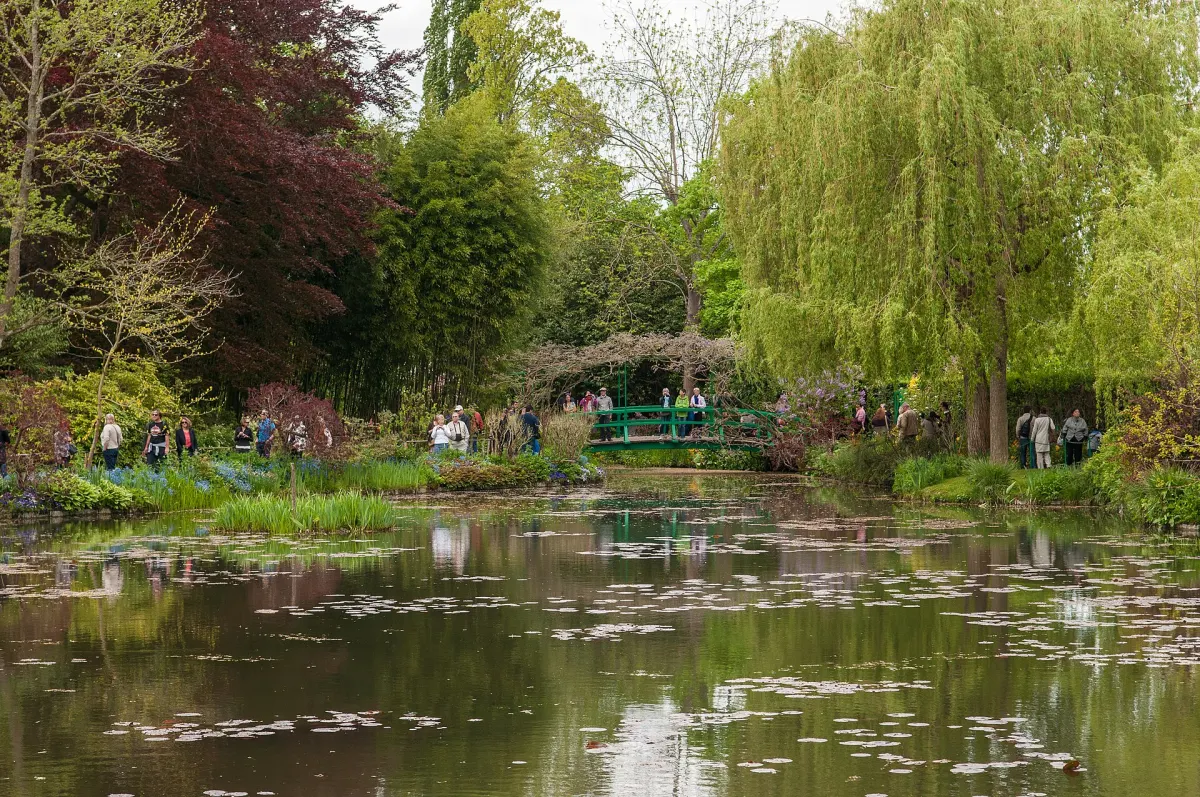
Claude Monet lived in Giverny for over 40 years. The house, the flower garden and the water-lily pond with its Japanese bridge look much as they do in the paintings. The gardens are open from spring to autumn, and May and June are the most colourful months. Giverny is about 1 hour by car from Paris, so you can combine it with Rouen on the same trip.
Bayeux and Caen: The Story of William the Conqueror
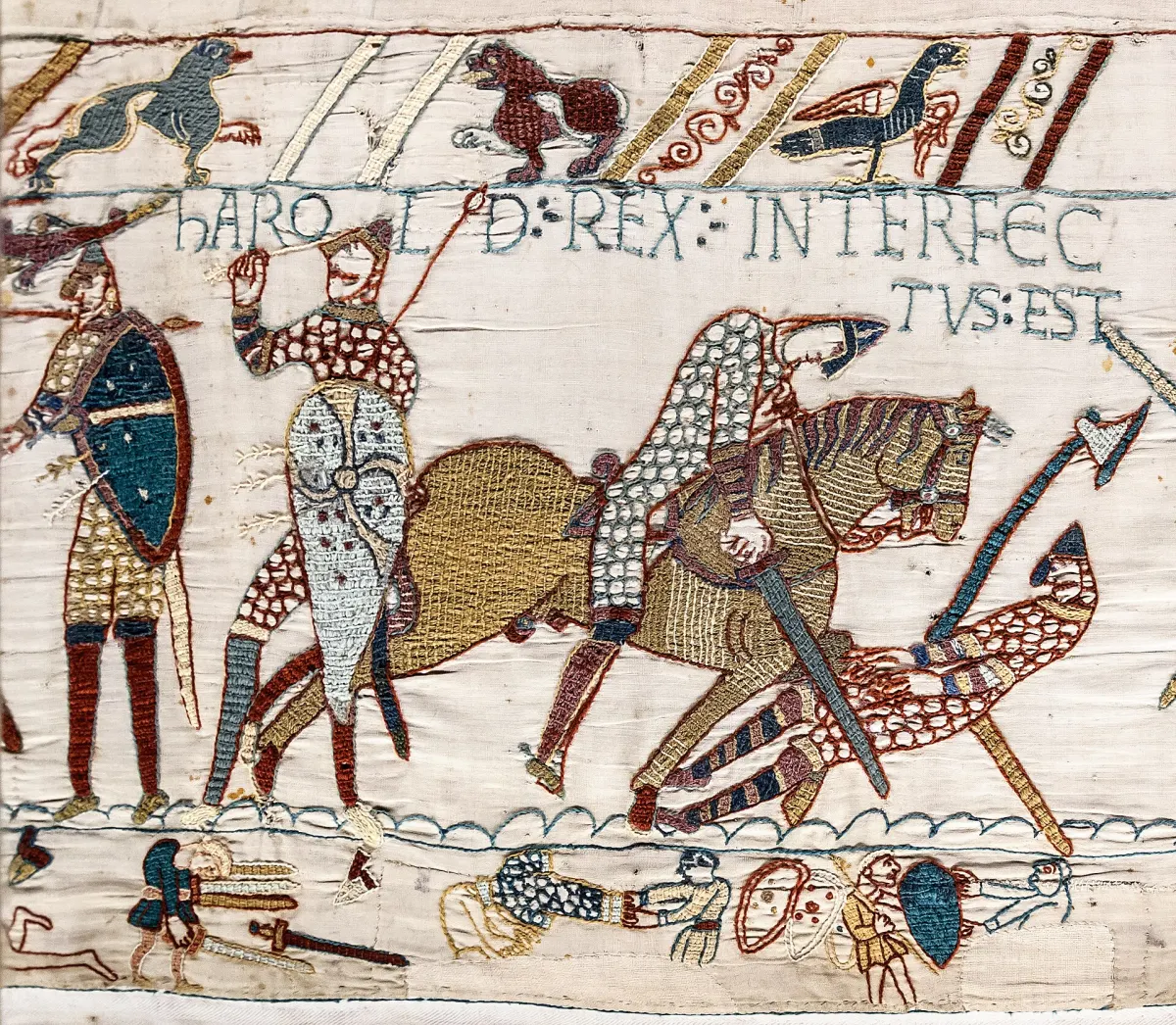
Bayeux escaped the destruction of the war and kept its medieval streets. It is home to the Bayeux Tapestry, a 70-metre embroidered strip from the 11th century that tells the story of the Norman conquest of England.
Important for planning: the Tapestry is currently on display at the British Museum in London on loan from France. Check the official dates for its return before you build a trip around it. Bayeux is still worth a visit for its cathedral, old town and D-Day museums.
In nearby Caen, William the Conqueror and his wife Matilda founded two abbeys, and the castle and the Memorial museum are close to each other.
Deauville and Trouville: Paris by the Sea
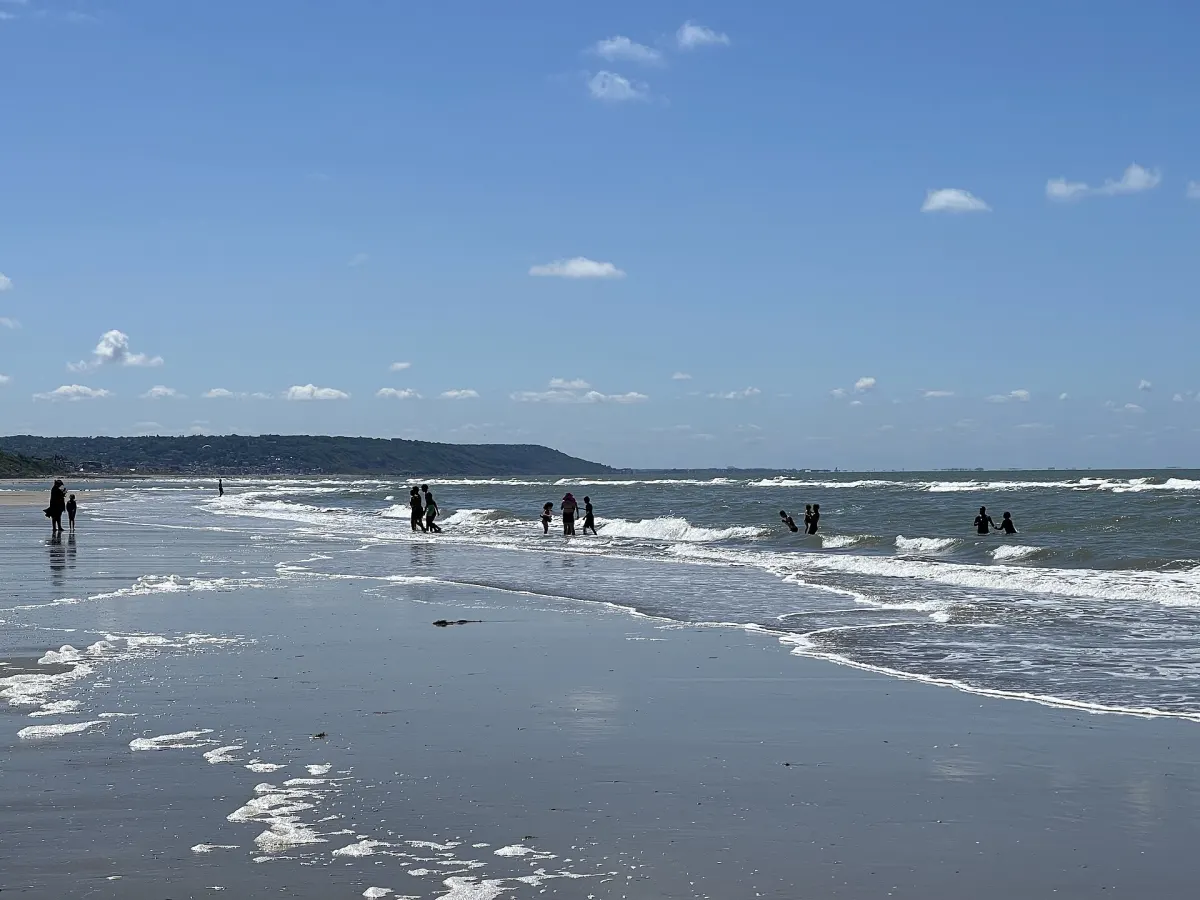
These two neighbouring resorts have wide sandy beaches, wooden boardwalks and early-20th-century villas. Parisians have come here for weekends for over a century. Eat oysters at the Trouville fish market, walk the beach even in winter, or try your luck at the casino.
Food and Drink: Why People Come Here to Eat
Normandy's table is a reason to visit all by itself. Try:
- Camembert de Normandie AOP, born here. Look for the AOP label, which guarantees raw milk and traditional ladle-moulding.
- Pont-l'Évêque and Livarot, two other classic Norman cheeses.
- Cider, usually dry or semi-dry, served at almost every crêperie.
- Calvados, apple brandy, usually after the meal.
- Seafood: mussels, oysters, scallops and sole.
- Apple tarts and sweet treats made with local butter and cream.

Beyond the Classics: Cotentin, Le Havre and Jumièges
If you want fewer crowds, head to the Cotentin peninsula: wild beaches, fishing villages and lighthouses around Barfleur, Saint-Vaast-la-Hougue and Cherbourg. Le Havre was rebuilt after the war by Auguste Perret, and its concrete centre is a UNESCO site. The ruined Jumièges Abbey stands in a green park beside the Seine and is one of the most atmospheric stops in the region.
When to Visit Normandy
- May–June: mild weather, blooming gardens, fewer crowds. The best window for most trips.
- July–August: warmest and busiest. Book ahead.
- September: warm sea, apple harvest and cider season.
- Winter: quiet, cool, cheaper. Good for food-focused trips.
The weather changes fast on the coast, so pack a rain jacket in any season.
How to Get There from Paris
| Destination | From Paris |
|---|---|
| Rouen | about 1 h 20 by train |
| Caen | about 2 h by train |
| Giverny | about 1 h by car |
| Honfleur and Étretat | about 2–2.5 h by car |
| Mont-Saint-Michel | about 4 h by car |
A car gives the most freedom for coast and countryside, while Rouen, Caen and Bayeux are easy by train. Times are approximate and depend on traffic, so check them before you go.
Normandy Itineraries
Rouen → Honfleur → Étretat
Rouen → Giverny → Honfleur → Étretat → Bayeux and the D-Day beaches
Add Mont-Saint-Michel, Deauville, the Cotentin coast and Le Havre
The Bottom Line
Normandy offers variety without the rush: sea and cliffs, medieval towns and modern architecture, great art, serious history and the best cheese you will eat this year. It is a France that does not reduce to the Eiffel Tower, and that is exactly why it deserves a place on your list.
Normandy is also built for exploring on foot: clifftop paths in Étretat, back lanes in Honfleur, the old streets of Rouen. Waymefy is a GPS city quest app launching in Europe that guides you through places like these, with check-ins at hidden gems and XP rewards redeemable at local cafés and shops. Join the waitlist to be first in line.
Key facts at a glance
Frequently Asked Questions
What should I see in Normandy first?
Start with Mont-Saint-Michel, the Étretat cliffs, Honfleur and Rouen. If you care about history, add the D-Day beaches and Bayeux. Monet's garden in Giverny fits easily on the way from Paris.
How many days do you need in Normandy?
Two days cover Rouen, Honfleur and Étretat. Three to four days let you add Giverny and the D-Day beaches. Five days or more allow Mont-Saint-Michel, Deauville and the Cotentin coast without rushing.
Can you visit Normandy from Paris in one day?
Yes, but pick one theme. Rouen by train (about 1 hour 20 minutes) or Giverny by car (about 1 hour) work best. Mont-Saint-Michel is about 4 hours each way by car, so it is better as an overnight stop.
What is the best time to visit Normandy?
May and June bring mild weather and blooming gardens. September is warm, with fewer crowds and apple season. July and August are busiest. Pack a rain jacket whatever the month.
What food is Normandy famous for?
Camembert de Normandie, Pont-l'Évêque and Livarot cheeses, dry cider, calvados (apple brandy), mussels, oysters, scallops, and apple tarts made with local butter and cream.
Where is the Bayeux Tapestry right now?
The Bayeux Tapestry is currently on display at the British Museum in London as part of a loan from France. Check the museums' official websites for exact dates before you plan a visit to either Bayeux or London.